
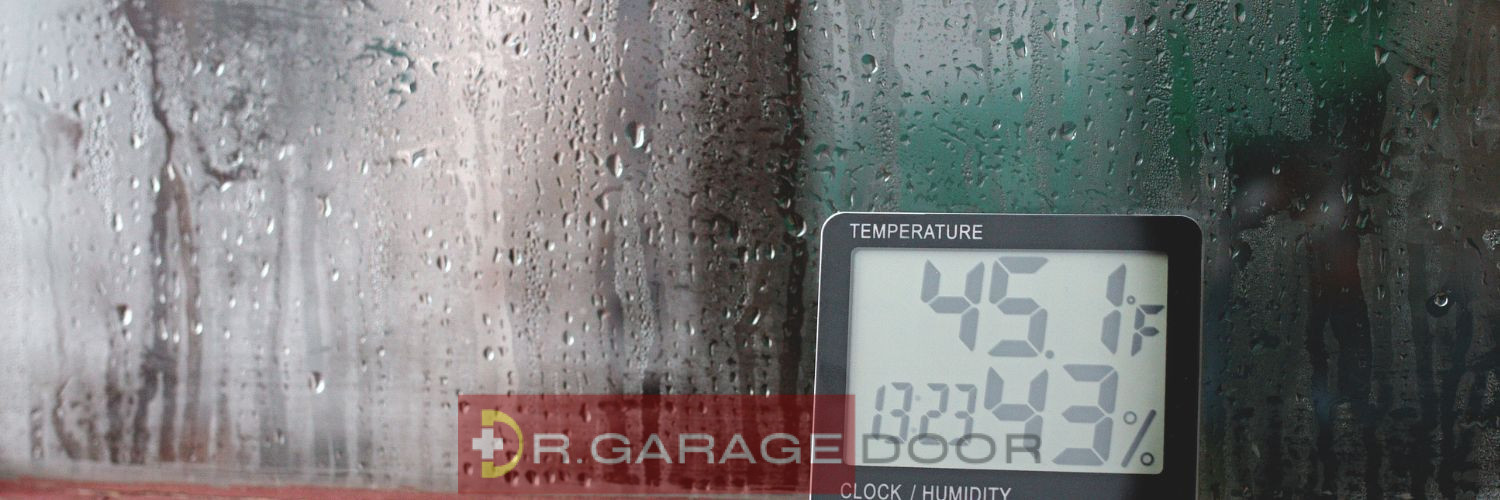
When a Central Florida garage door breaks down, homeowners often blame the last big rainstorm. But the truth is, the slow, relentless damage isn’t caused by the occasional downpour—it’s caused by the constant, year-round enemy: humidity. The persistent moisture in the air is actively and silently working against every component of your system, from the smallest hinge to the largest spring. Understanding this is key to preventative maintenance and avoiding a costly breakdown.
Humidity’s Silent Attack: The Mechanical Breakdown
The high moisture content in the air creates an ideal environment for corrosion and friction, accelerating the wear and tear that leads to premature failure. This is the core reason why Florida humidity garage door damage is so common.
1. The Spring Corrosion Crisis
Garage door torsion springs are made of steel and are under immense pressure. When exposed to constant humidity, they rust. Rust changes the composition of the metal, weakening the spring and making it brittle. This is why springs in Central Florida often fail sooner than their warranty promises—they simply rust out. Regular maintenance with specialized corrosion-resistant lubricants is essential to fight this process. If your door is starting to squeak, the rust and friction are already building. Get ahead of it by reading our guide on quieter garage door operation.
2. The Opener’s Electrical and Lubrication Nightmare
Humidity is devastating to your opener’s mechanics and electronics. For chain-drive openers, the moisture can rust the chain and links, requiring the motor to exert more force just to move the door. Inside the opener’s logic board, moisture can cause corrosion on the electrical contacts, leading to unpredictable operation or total failure. The only way to combat this is with proper, periodic professional cleaning and lubrication to ensure the moving parts don’t bind.
3. The Destruction of Wood Doors and Seals
If you have a wood garage door, humidity causes the wood to swell, contract, and warp, often leading to binding and cracking. Even more common, the constant moisture compromises your weather seals. Once seals crack or pull away from the frame, they create a pathway for heat, moisture, and pests directly into your garage, wrecking your Florida humidity garage door damage defense. Addressing failed weather stripping is one of the most effective ways to manage this issue. You can read more about sealing out the elements in our article on stopping energy leaks.
Professional Defense Against the Florida Climate
The key to preventing severe Florida humidity garage door damage is not waiting until the system breaks down—it’s scheduling professional preventative maintenance twice a year. Our technicians specifically focus on the points most vulnerable to corrosion in this climate:
- Applying rust-inhibiting lubricants to springs, hinges, and rollers.
- Checking the electrical integrity of opener components for signs of moisture damage.
- Replacing worn-out rubber or vinyl seals that have become brittle from the heat and humidity.
Stop Paying the Humidity Tax
Don’t let the weather dictate the life span of your garage door system. Investing in professional, preventative maintenance is the only sure way to combat the relentless effects of the Florida climate and avoid a costly emergency repair.
Protect your system from Florida humidity garage door damage today. Contact the climate experts at Dr. Garage Door to schedule your preventative maintenance service.
Contact us here: https://garagedoorsofcentralflorida.com/contact-us